FREE sourcing support · up to 3%

Eligibility applies to qualified business buyers and is confirmed after we review your product, quantity, destination, and sourcing requirements.

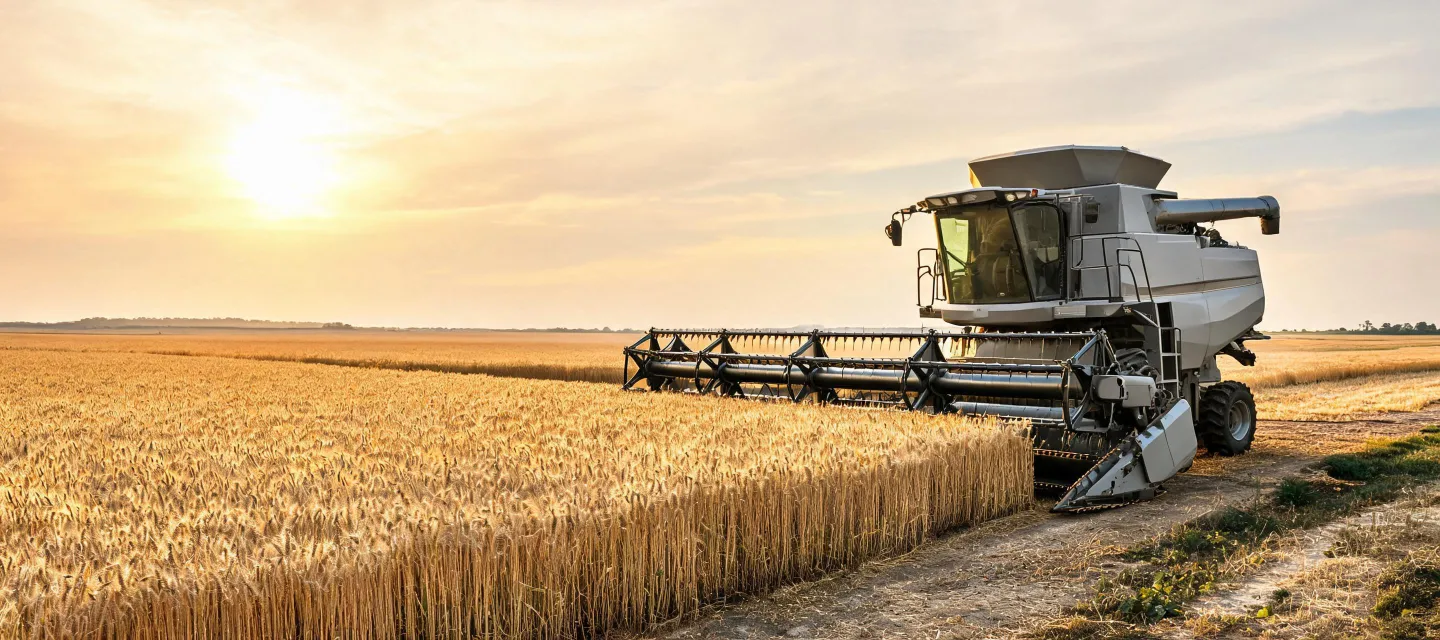
Wheat harvesting machinery prepared beside a grain field
Factory RFQ coordination

Wheat combine harvester quote comparison

Translate a harvest target into one written equipment scope. Harvest Link Sourcing helps buyers request factory offers with visible specifications, costs and responsibilities.

Follow the Purchasing Steps

Three parts of a usable supplier response

Crop and machine configuration

Ask each supplier to identify the cereal header, working width, engine power, combine threshing cylinder or rotor arrangement, grain tank and straw handling options. Keep any substitution distinct from the original request.

Quotation with exclusions

Separate equipment, packing, wear parts, freight and destination costs. Record currency, payment milestones, trade terms and quote validity. A total without an included-items list can hide a missing header or support task.

Documents and operating support

Request operator and service manuals, a parts list, machine identification and destination-specific document proposals. Clarify warranty provider, coverage, exclusions and parts delivery responsibility before accepting an offer.

From field requirement to comparable scope

The sequence below describes purchasing checks. It does not imply that a supplier has been audited or that a model is already available.

  1. 01

    Record the operation

    List crop, acreage, terrain, grain moisture content, target harvest window and unloading logistics. Express throughput in t/h and identify the conditions behind your target.

  2. 02

    Issue the same specification

    Bind header width in m, engine power in hp or kW, quantity, destination and accessories to one RFQ revision. Ask suppliers to answer each line and mark unknowns explicitly.

  3. 03

    Review deviations

    Compare proposed alternatives for transport width, power, threshing settings and spare-part references. A lower price should remain separate when machine scope changes.

  4. 04

    Confirm the purchase basis

    Resolve testing, packing, documents, dispatch assumptions and receiving checks in writing. The buyer and named supplier must agree the final commercial and acceptance terms.

Use the RFQ checklist alongside the equipment inquiry catalog.

Keep capacity claims tied to conditions

A factory's output figure should identify crop variety, moisture, terrain, working speed and acceptable grain loss or damage. Request the proposed demonstration or inspection method and who records the results. Catalog capacity alone cannot settle field suitability, and a buyer's delivery deadline does not establish a confirmed dispatch date.

A premium preference may prioritize controls, cab comfort and service documentation; a budget-friendly preference may reduce optional features. Neither preference replaces checking the exact equipment and support commitments.

Prepare your factory request

Send the wheat harvesting scope

State the machine and header requirements, quantity, US destination and seasonal deadline. If a specification is undecided, describe the field problem it needs to solve so alternatives can be reviewed openly.

Add an optional target budget and identify its currency and per-unit or whole-order basis. Harvest Link Sourcing acts as an independent sourcing partner; manufacturer warranties, model conformity and final supply terms belong in the named supplier's written offer.