Rice combine harvester buying guide
Start with the field rather than the machine photograph. Ground bearing conditions, access, crop height and local support determine which questions belong in your equipment request.
Review Selection Questions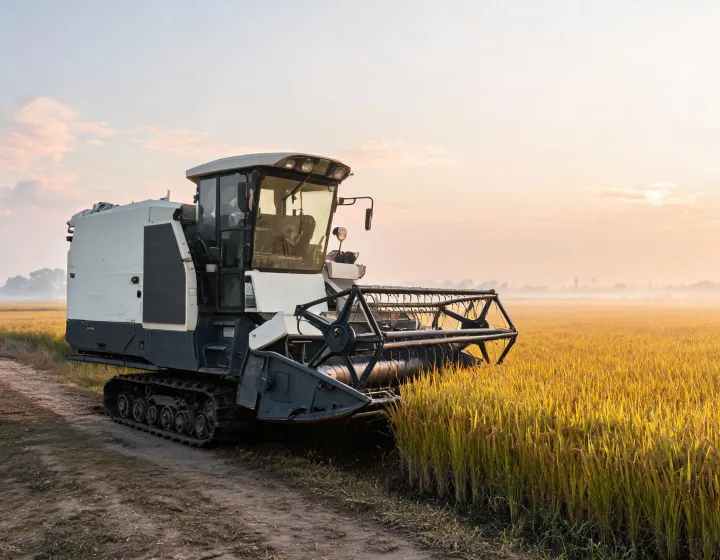
A field brief before a machine shortlist
Consider a rice grower planning a machine purchase for several fields with different access tracks. The buyer initially asks for a rice combine by name, but that request does not explain field bearing conditions, transport width or where maintenance will take place.
The useful next step is to document the crop and harvest window, estimate the acreage to cover, measure gateways and record the conditions expected during operation. The supplier can then identify its proposed travel system, header and power specification, with limitations stated beside the proposal.
The result of this exercise is a comparison-ready brief, not a promised harvest outcome. Ask each factory to state working width in m, engine power in hp or kW, throughput in t/h, machine mass and transport dimensions. Keep the crop and grain moisture content basis identical when evaluating output claims.
Resolve the choices before accepting an alternative
Tracks or wheels: what should be compared?
Tracks and wheels raise different questions about ground contact, undercarriage maintenance, transport and parts support. Describe actual wet-field conditions and request the supplier's suitability limits. Do not infer ground performance from a track photograph or assume that a wheeled proposal matches a paddy-specific requirement.
Compact access or more working width?
A compact machine may simplify tight entries and loading. A wider machine may fit larger, open fields but can require header transport and a different receiving plan. Compare width, mass, turning space and grain handling together; acreage alone does not establish machine size.
Which budget options belong on separate quote lines?
Ask factories to separate base equipment, header, cab or control options, spare belts, cutting components, packing, freight and commissioning support. Premium preferences may emphasize operating features and documentation; budget-friendly preferences may limit options. Neither label establishes reliability, certification or warranty quality.
How can the proposed capacity be checked?
Agree the crop, grain moisture content, field condition and acceptance limits for grain loss and damage. Request a demonstration plan recording elapsed time, weighed output, moisture method and machine settings. Repeat comparable runs where practical and retain the observations. The method requires agreement with the supplier; this page reports no trial results.
What should the dealer or warranty contact confirm?
Ask who supplies local parts, who diagnoses faults and who pays freight or travel for a claim. Request warranty duration, exclusions, claim evidence and response procedures in the supplier's offer. No local dealer network or warranty coverage is implied by this guide.
Build a field and service record
Use photographs and measurements to explain your operation. These illustrative images represent information to gather; they do not show customer projects.
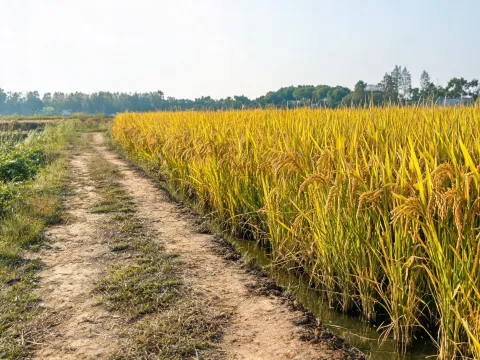
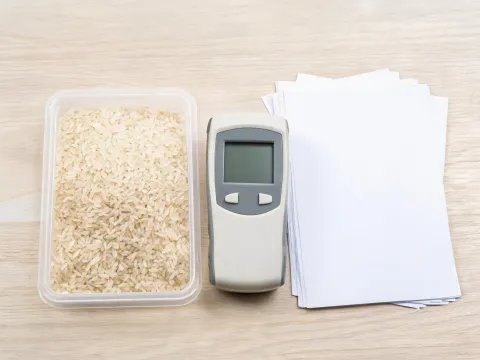
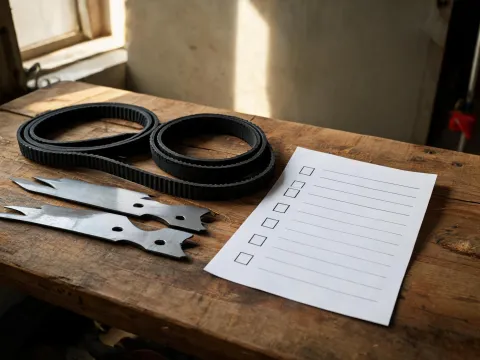
Review inquiry options or discuss open specifications through the sourcing request page.
Send your rice harvesting brief
Include field conditions, crop, capacity basis, working width, quantity and destination. Add the delivery window and any documents, installation or commissioning support you want the factory to address.